Femicide Awareness Day: Being a Woman Should Never Be a Death Sentence
There is no liberation without safety. There is no equity without bodily autonomy. And there is no thriving community when women and girls are forced to negotiate their survival in spaces where they should experience love, protection, and belonging.
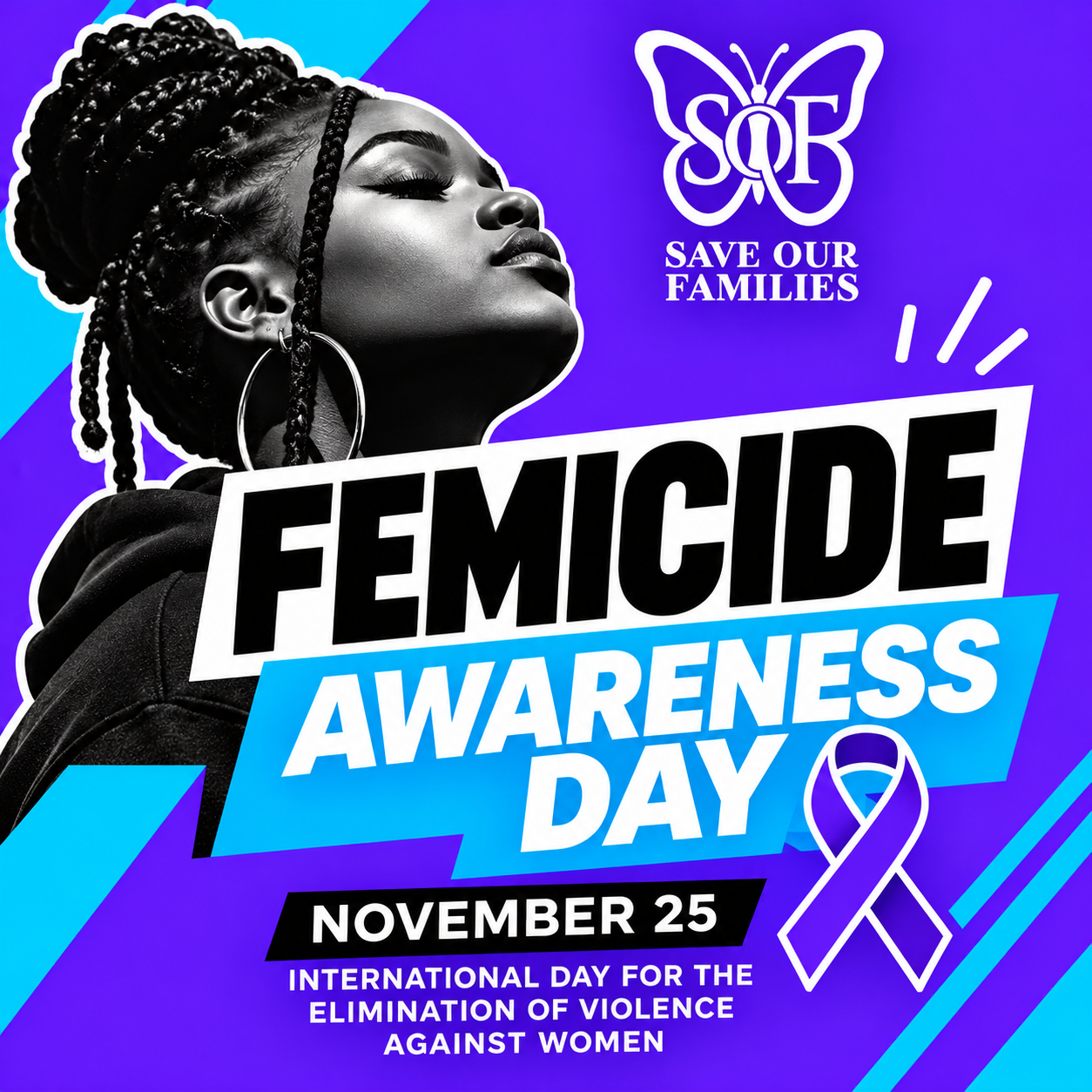
November 25 marks the International Day for the Elimination of Violence Against Women and the beginning of the 16 Days of Activism Against Gender-Based Violence, a global initiative that continues through December 10, Human Rights Day (United Nations, n.d.).
Today, we bring particular attention to femicide, honor the lives stolen by gender-based violence, recognize the experiences of survivors, and challenge the social, cultural, economic, and institutional conditions that allow this violence to persist.
Women deserve more than recognition in death. They deserve protection, dignity, freedom, and opportunity while they are alive.
What Is Femicide?
Femicide, also referred to as feminicide, is the intentional, gender-related killing of women and girls. It represents one of the most extreme manifestations of gender-based violence and frequently occurs within a broader pattern of abuse, coercion, intimidation, and control.
Femicide demands that we examine how gender inequality, institutional failures, economic dependency, misogyny, and the normalization of abusive behavior create conditions in which violence can escalate.
The killing of women and girls is not simply a collection of isolated tragedies. It reflects a broader societal failure to adequately protect women’s lives, recognize their autonomy, and intervene when their safety is threatened.
Femicide is preventable. Prevention, however, requires intervention long before violence becomes fatal.
What Is Gender-Based Violence?
Gender-based violence (GBV) encompasses harmful acts directed against individuals because of their gender. Women and girls are disproportionately affected, with violence often reinforced by unequal power dynamics, harmful cultural norms, and systemic gender inequality.
Gender-based violence can occur within intimate relationships, families, workplaces, educational institutions, public spaces, and digital environments.
It can take several forms, including:
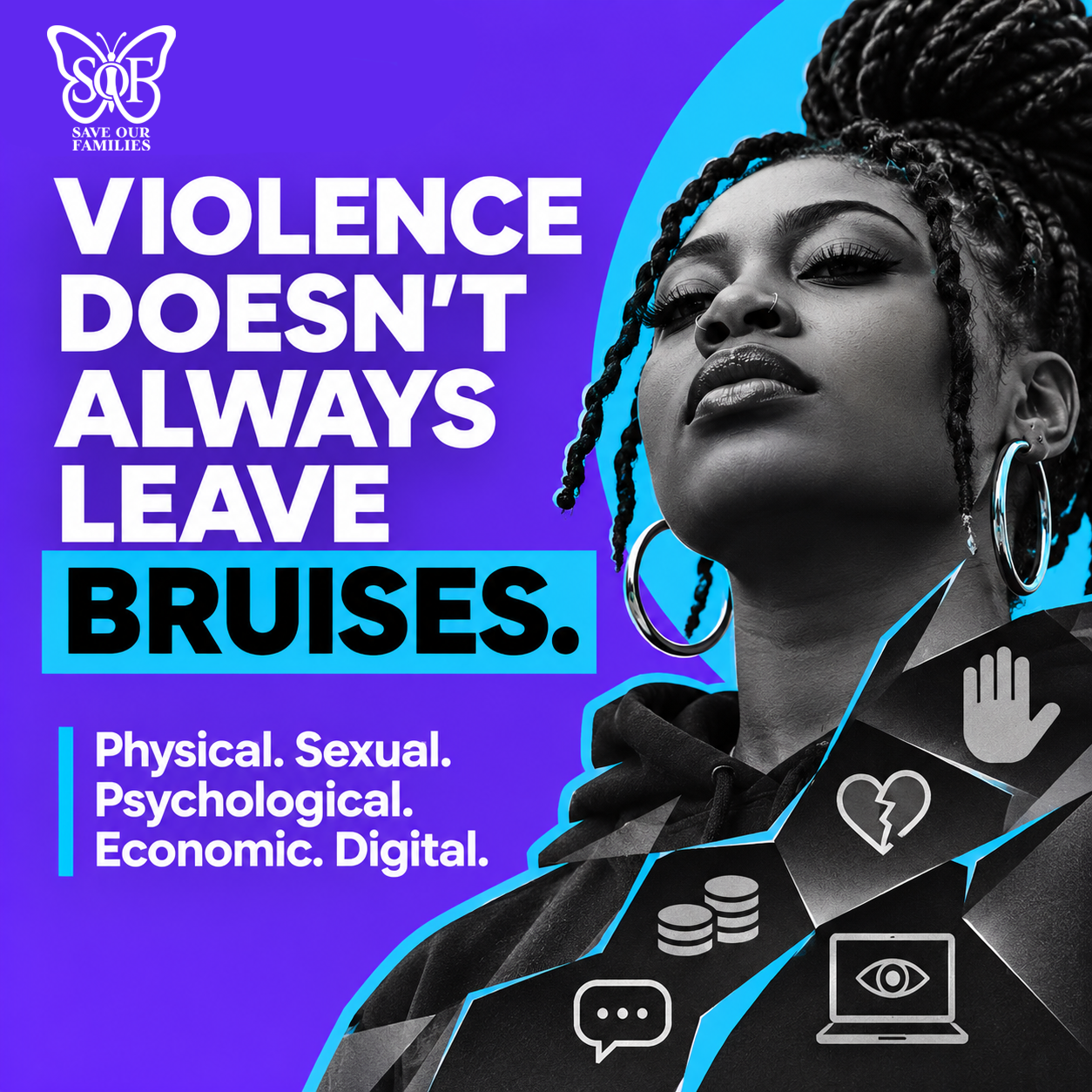
- Physical violence: Assault, physical intimidation, restraint, and other acts that cause bodily harm.
- Sexual violence: Nonconsensual sexual acts, sexual coercion, exploitation, harassment, and abuse.
- Psychological violence: Intimidation, humiliation, manipulation, threats, isolation, and emotional abuse.
- Economic violence: Restricting access to money, sabotaging employment, controlling financial resources, and creating forced financial dependency.
- Intimate partner violence: Physical, sexual, psychological, or economic abuse perpetrated by a current or former intimate partner.
- Coercive control: Patterns of behavior designed to undermine a woman’s independence, autonomy, and decision-making.
- Technology-facilitated violence: Digital surveillance, cyberstalking, online harassment, and technology-enabled intimidation.
- Harmful practices: Child marriage, forced marriage, female genital mutilation, and so-called honor crimes.
Gender-based violence can have enduring consequences for survivors, including physical injury, psychological trauma, financial instability, disrupted education, housing insecurity, and long-term health complications. In its most extreme manifestations, it can result in death (United Nations High Commissioner for Refugees [UNHCR], n.d.).
Violence does not need to leave a visible bruise to be real, dangerous, or deserving of intervention.
Domestic Violence in Ohio: What the 2025 Data Reveals
Gender-based violence is not a distant humanitarian concern. It is a reality within our own communities, neighborhoods, and households.
According to the Ohio Bureau of Criminal Identification and Investigation (2026), statewide domestic violence records for 2025 documented:
| Domestic Violence Indicator | Reported Count |
|---|---|
| Female victim records | 34,835 |
| Percentage of victim records classified as female | 71.5% |
Note. Data from the Ohio Bureau of Criminal Identification and Investigation (2026).
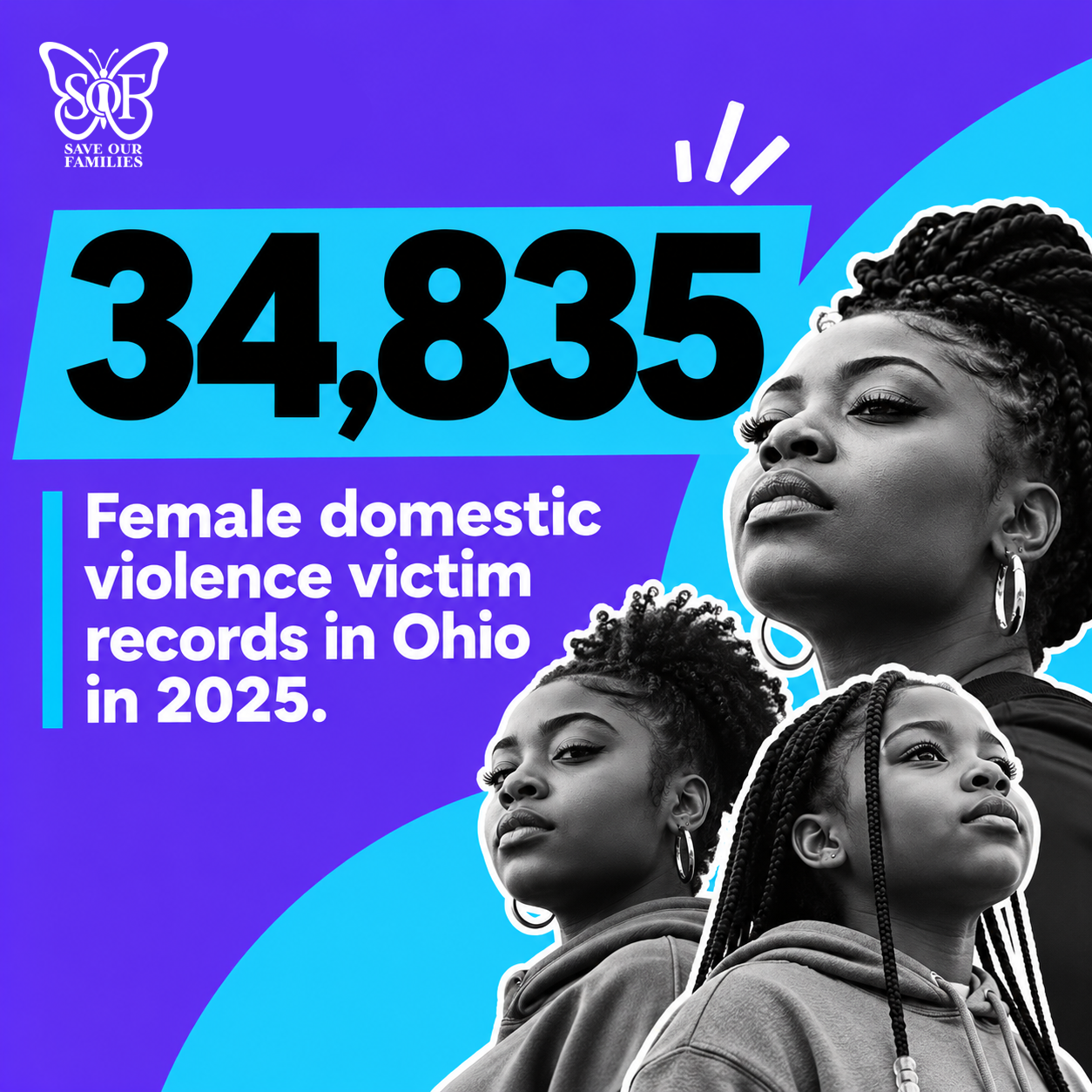
Women and girls accounted for approximately 7 out of every 10 recorded domestic violence victims in Ohio in 2025.
These figures represent reported domestic violence records, not the full prevalence of violence against women and girls or the number of femicides in Ohio. Experiences that were never reported to law enforcement are not captured in these statistics.
We must also recognize the women whose experiences remain undocumented because of fear, economic dependency, social isolation, immigration concerns, distrust of institutions, or the threat of further violence.
The absence of a police report does not signify the absence of violence.
Behind every recorded experience is a human being whose safety, autonomy, and well-being deserve protection.
Black Women Deserve More Than Survival
Any meaningful conversation about gender-based violence must acknowledge the intersection of race, gender, economic inequality, and access to institutional protection.
For Black women, navigating violence can also mean navigating racial discrimination, economic barriers, harmful stereotypes, and distrust of institutions responsible for providing protection.
The expectation that Black women must continually demonstrate strength can obscure their humanity and their need for care. The cultural glorification of the Strong Black Woman can create an expectation of endurance that leaves little room for vulnerability, rest, protection, or healing.
Black women should not have to become experts in survival to navigate everyday life.
Black women are entitled to softness. They are entitled to rest. They are entitled to protection without having to prove their vulnerability, establish their respectability, or justify their humanity.
Their accomplishments should not overshadow their suffering. Their independence should not invalidate their need for support. Their strength should not become an excuse for institutional neglect.
Resilience should never become society’s justification for withholding support.
We must stop romanticizing the ability to survive conditions that should never have been permitted to exist.
The Right to Grow Old
Every girl deserves the opportunity to imagine her future without fear.
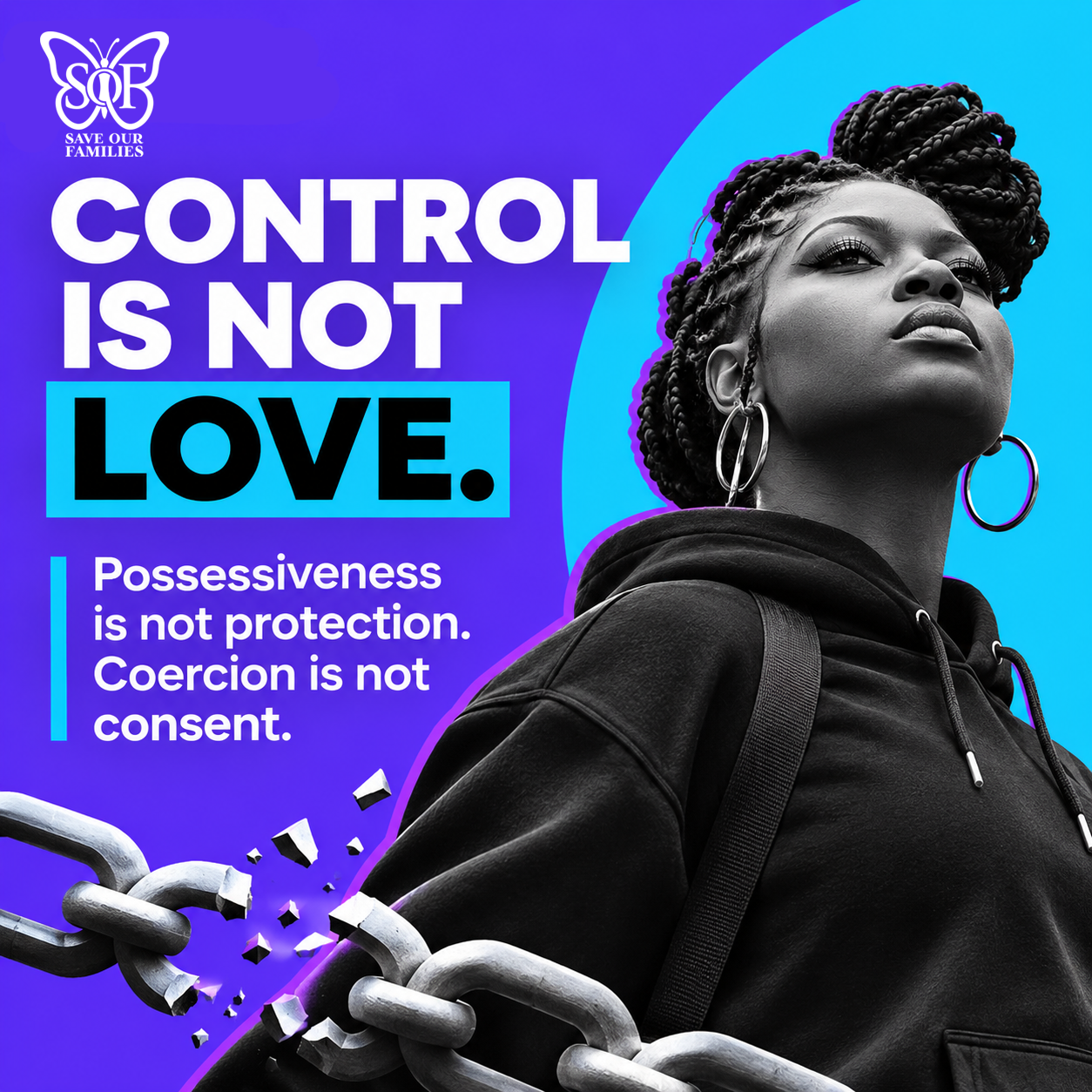
Every woman deserves the freedom to pursue education, build relationships, establish financial independence, experience joy, and grow old without violence determining the boundaries of her existence.
Women are not valuable solely because they are mothers, daughters, sisters, wives, caregivers, or partners. Their humanity is not contingent upon their relationship to another person.
A woman does not need to be someone’s anything to deserve protection.
Her life possesses intrinsic value.
When we discuss femicide, we must remember that violence does not simply end a life. It steals futures, interrupts dreams, dismantles relationships, and deprives communities of generations of knowledge, leadership, creativity, and possibility.
Gender-Based Violence Is a Public Health and Community Care Issue
Domestic violence is often treated as a private matter, but its consequences extend far beyond the household. Violence can destabilize families, disrupt childhood development, undermine financial security, contribute to housing instability, and create conditions through which trauma affects subsequent generations.
When women lack access to affordable housing, employment, transportation, childcare, healthcare, or supportive relationships, their options for achieving safety can become severely restricted. Telling a woman to leave an abusive relationship without addressing the conditions that limit her ability to leave is not a comprehensive intervention.
Safety requires infrastructure.
It requires accessible services, economic opportunity, survivor-centered policies, trusted relationships, and communities equipped to respond without judgment.
At Save Our Families, our community care philosophy recognizes that individual well-being is inseparable from the social conditions in which people live. Strengthening families means strengthening the networks of support that make safety, autonomy, stability, and healing possible.
We cannot claim to be building thriving communities while overlooking the conditions that threaten the lives of women and girls.
Moving Beyond Awareness and Toward Prevention
Awareness must translate into collective responsibility. Preventing femicide and gender-based violence requires communities to:
- Challenge the normalization of misogyny, intimidation, and controlling behavior.
- Teach girls that their boundaries, voices, bodily autonomy, and aspirations are worthy of respect.
- Provide young people with education about consent, emotional regulation, and healthy relationships.
- Believe women and girls when they disclose abuse and respect their autonomy.
- Invest in affordable housing, financial independence, and accessible survivor services.
- Hold individuals who perpetrate violence accountable for their behavior.
- Challenge cultural narratives that equate possessiveness with love and control with protection.
- Support culturally responsive, trauma-informed, and survivor-centered community interventions.
- Advocate for comprehensive data collection that makes the experiences of historically overlooked women and girls visible.
- Create pathways for survivors to rebuild their lives without sacrificing their economic security, dignity, or independence.
Women and girls should never bear the sole responsibility for preventing the violence committed against them.
If You or Someone You Know Needs Support
You do not have to wait until violence becomes physical or life-threatening to seek assistance.
Greater Cleveland Domestic Violence Support
Journey Center for Safety and Healing
24-hour helpline: 216-391-4357
Website: https://www.journeyneo.org/
National Domestic Violence Hotline
Call: 1-800-799-7233
Text: START to 88788
Website: https://www.thehotline.org/
If you are experiencing immediate danger, call 911 when it is safe to do so. If you believe your devices or communications are being monitored, consider accessing support through a safer device.
Our Commitment
At Save Our Families, we recognize that community care is more than responding to harm after it occurs. It is the intentional creation of conditions in which harm is less likely to occur in the first place. Today, we honor the women and girls whose lives were stolen. We stand alongside survivors navigating the complexities of healing. We recognize the futures interrupted, the dreams unfulfilled, and the generations affected by gender-based violence. Remembrance alone is not enough.
We must build communities where women and girls are not merely celebrated for their ability to survive, but are afforded the resources, protection, freedom, and dignity necessary to thrive. We refuse to accept a society in which a woman’s strength is measured by how much violence she can endure. We refuse to normalize the expectation that women must sacrifice their autonomy to experience love, their independence to maintain relationships, or their safety to preserve families. We envision a future where girls inherit opportunity rather than fear, where women experience freedom rather than coercion, and where growing old is an expectation rather than a privilege.
References
Journey Center for Safety and Healing. (n.d.). Journey Center for Safety and Healing. https://www.journeyneo.org/
National Domestic Violence Hotline. (n.d.). National Domestic Violence Hotline. https://www.thehotline.org/
Ohio Bureau of Criminal Identification and Investigation. (2026, February 24). Domestic violence report: Ohio race/ethnicity, age and gender statistics, 2025. Ohio Attorney General’s Office. https://www.ohioattorneygeneral.gov/Files/Reports/Domestic-Violence-Reports
United Nations. (n.d.). International Day for the Elimination of Violence Against Women. https://www.un.org/en/observances/ending-violence-against-women-day
United Nations High Commissioner for Refugees. (n.d.). Gender-based violence. https://www.unhcr.org/us/what-we-do/protect-human-rights/protection/gender-based-violence
about author

Created by the team at Save Our Families.
subscribe to our newsletter
Join the Save Our Families newsletter for updates on community care, mental health tools, healing stories, and events you won’t want to miss.
Note: We promise not to flood your inbox—just healing vibes, resources, and real talk.
Recent Posts
Femicide Awareness Day: Being a Woman Should Never Be a Death Sentence
There is no liberation without safety. There is no equity without bodily autonomy. And there is no thriving community when women and girls are forced to negotiate their survival in spaces where they should experience [...]

Save Our Families Selected for 2026 North Pole Adventure™: A Partnership Rooted in Compassion
FOR IMMEDIATE RELEASENovember 13, 2026 A Partnership Rooted in Compassion: Save Our Families Selected for Cuyahoga Valley Scenic Railroad's 2026 North Pole Adventure™ A relationship that began with a special wish for a terminally ill [...]
40 Suspected Overdose Deaths in Five Weeks: A Call to Action for Cuyahoga County
If someone is unresponsive, has trouble breathing, experiences chest pain, or has a seizure after using drugs, call 911 immediately. Give naloxone if opioids could be involved. Cuyahoga County has issued a public health alert [...]

